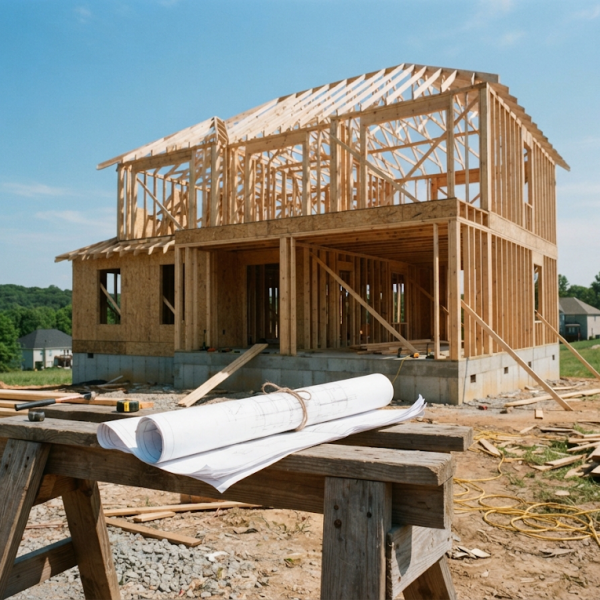
Building a house, extending a shop or converting a warehouse starts long before the first brick. It starts with a building permit, a file of drawings, forms and statements that tells the authorities what you plan to do and why it is safe. When the project is in the United Kingdom but the owner, architect or investor comes from Poland, parts of that file are written in Polish and must be understood by planning officers in English. A building permit application can be delayed for months by a single unclear document, so translation is part of the project schedule and not an afterthought. This guide explains how to handle the language side of permits for Polish-speaking owners and developers.
What a Permit File Contains
A typical file includes application forms, site plans, floor plans, elevations, structural calculations, energy performance statements, ownership documents and sometimes environmental or heritage reports. Rules differ by country and by municipality. In England, for example, the government explains the process at gov.uk, and local councils add their own requirements. Always read the checklist of the authority that will decide your case.
Which Parts Need Translation
Not everything must be translated. Drawings with only numbers and symbols may be accepted as they are, but notes, legends, specifications and reports usually need to be in the language of the authority. Ownership documents such as land registry extracts, purchase contracts and powers of attorney are often required in certified translation. Ask the authority which documents it accepts, and in which form, before you order any work.
Technical Vocabulary Is Tricky
Construction language is full of terms that differ between legal systems. The Polish concept of a building permit, a notification of works or a construction diary may have no exact equivalent in English, and the other way round. A translator should use the term that the authority knows and add a short explanation where needed. Mistakes here can lead to a request for clarification, which resets the clock on your application.
Choose Specialist Support
General translators may not be familiar with planning terms, building codes or land registry language. A provider of polish legal translation services can handle ownership documents, powers of attorney and contracts, and can work with technical experts for drawings and reports. Ask whether the translator has experience in construction, and request a glossary that you can reuse across the project.
For an owner managing a project from another country, that specialist should cover the whole file, from the ownership documents and the power of attorney to the drawings and the safety instructions for the site. Specialist polish translation keeps the names, the plot references and the technical terms identical across every document in the permit file, so the planning officer sees one coherent application instead of a stack of mismatched papers. That consistency is what turns a file that waits months into a file that gets approved.
Units, Scales and Standards
Poland uses the metric system, as does most of Europe, while some countries still use feet and inches in construction. Check that scales, dimensions and areas are expressed in the units that the authority expects. Standards for insulation, fire safety and accessibility also differ. If your design was prepared under Polish standards, an engineer may need to confirm that it meets local rules, and the translation should reflect the changes.
Powers of Attorney and Representation
Owners who live abroad often appoint an agent to deal with the authority. The power of attorney must state clearly what the agent may do. It may need notarisation, an apostille and a certified translation. Make sure that names and addresses match every other document in the file, and that the date and signature are legible. A defective power of attorney can block the whole process.
Neighbours, Hearings and Public Notices
Many permit procedures include notices to neighbours and public comment periods. If your neighbours speak Polish, a short explanation in their language may reduce conflict and objections. Public documents should stay in the official language, but courtesy translations help. For related legal texts, such as certificates and decisions, see this article on Polish to English translation.
Contractors and Site Communication
When the construction team includes workers who speak Polish, safety instructions, schedules and drawings should be available in their language. Misunderstood instructions cause accidents and rework. Keep a site glossary with the terms used on site, and post key safety signs in both languages. Brief the foreman and the site manager together, so that everyone shares the same picture.
Timeline, Cost and Record Keeping
Build translation time into the project plan. Certified translations of land documents can take several days, and authorities may ask for additional papers after the first review. Keep a folder with every submitted document, its translation, the date of submission and the reference number of the application. Good records protect you if a dispute arises later, and they make it easier to prepare documents for the next phase of the project.
Check Before You Submit
Before submission, read the whole file once more with a checklist. Confirm that every form is signed, every translation is attached and every name is spelled in the same way. Ask a local professional to review the file, because planning officers appreciate complete, tidy applications. A careful submission saves weeks of correspondence and brings the day when work can start closer.
Fees, Deadlines and Appeals
Permit fees and response times are set by the authority, and missing a deadline can cost money. If your application is refused, the decision usually explains how to appeal and within what period. Have the decision translated at once and ask a local adviser to review it. Quick, accurate translation of official letters lets you react in time and protects your investment.