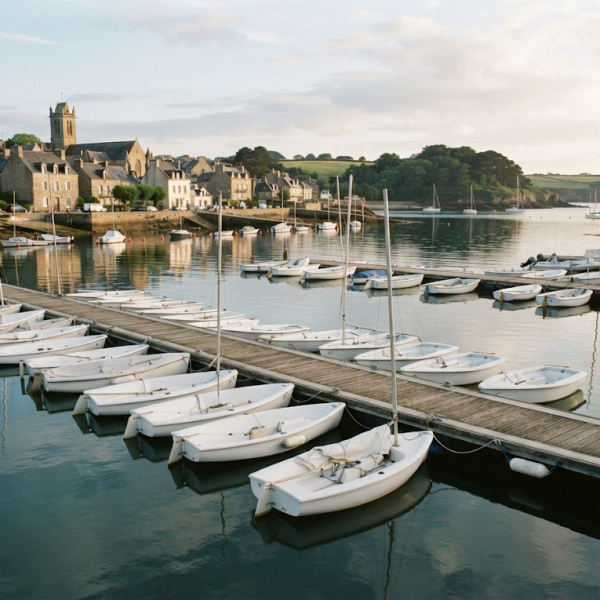
On the coast of Brittany, sailing schools open every spring with the same ritual: the boats are scrubbed, the sails are checked and the first group of beginners arrives at the pontoon with wet shoes and big questions. Many of those beginners are now visitors from Britain, Ireland, the United States and Scandinavia, who want to learn to sail in the cold, beautiful waters of the Atlantic. On a boat, a misunderstood instruction is not a small error, because a single word like tack or release can decide whether a lesson ends with a smile or a rescue. This article shows how French sailing schools and marinas can build clear English materials that keep guests safe and happy.
Safety Comes First in Every Language
Before anyone steps on a boat, a safety briefing must be understood. It should explain life jackets, weather limits, emergency signals, the role of the instructor and the rules for staying with the group. Write it in short sentences, with pictures and numbers, and read it aloud before every course. Avoid idioms and long explanations. A guest who understands the briefing will follow it, and a guest who only nods will not.
The Vocabulary of the Water
Sailing has its own language. French terms for parts of the boat and manoeuvres do not map one to one into English, and regional habits make it more complex. Build a glossary with the French word, the English word, a drawing and a short note on use. Use it in the course book, on the signs at the pontoon and in the radio instructions. When instructors use the same word every time, beginners learn faster and make fewer mistakes.
Enrolment Forms and Medical Information
Schools collect personal data, swimming ability, allergies, health conditions and emergency contacts. These forms must be clear to parents who do not speak French, because they are making decisions about children. Explain the purpose of each question and the way the data is stored. For consent and insurance conditions, work with a professional, because a misunderstood clause can cause problems later.
Working with a Language Specialist
A school that welcomes guests from many countries benefits from a regular partner. A french translation company can prepare booking terms, safety notes, course programmes and insurance papers in English, and keep them consistent over the years. Give them your glossary, your photographs and a short description of your teaching method, so that the translation reflects the character of the school. Review the final texts with an experienced instructor.
Insurance, Licences and Official Papers
Boat hire and lessons involve insurance, licences and qualifications of instructors. Visitors may be asked to show a certificate of competence from their own country, and the school may need to explain what is accepted in France. World Sailing publishes information on training and safety standards at sailing.org, which can help you align terms with international usage. When documents have to be shown to authorities, use certified versions and keep copies on file.
Booking, Prices and Cancellation Rules
Weather changes plans, so guests need to know what happens when a lesson is cancelled. Explain who decides, how refunds work and whether the course can be moved. Put the key points near the booking button and use examples. When the text is plain and fair, disputes become rare. If you are unsure who should handle which language task, our article on interpreter vs translator may help you decide.
Signs, Maps and Harbour Information
Visitors walk around the harbour with a map and a phone. Signs in English should show where to park, where to change, where the toilets are and where to meet the instructor. A simple map of the bay with the sailing zone, the shallow areas and the emergency point is worth more than a page of text. Mark tide times and explain how to read the tide table in clear words.
Courses for Children and Teenagers
Young sailors need a friendlier voice. Write course descriptions that explain the day, the games, the lunch break and what to bring. Parents want to know how many children are in each group, who the instructors are and how to reach the school during the day. Provide a phone number that someone answers, and a short message template for urgent news.
Reviews and Word of Mouth
Many families choose a school after reading reviews. Reply to English reviews politely, thank guests by name and address concerns with specific actions. Short and sincere answers show that the school listens. Photographs of real lessons, with permission, make the page more trustworthy than polished pictures from a stock library.
Preparing the Season
Each winter, review all English documents with an instructor and a native reader. Remove outdated prices, correct unclear instructions and update the glossary with new terms. When the first group of beginners arrives next spring, they will find a school that speaks their language, and the only thing left to learn will be how to sail.